Daily writing prompt
Describe a family member.
Describe a family member……….
Well, I think I’ve described my father the best I can.
My stepmother? I didn’t really know her all that well even though she lived with us from August of 1980 onwards. There is a lot of truth to the old medieval stories about wicked stepmothers. Didn’t help much either that she was only about 10 to 12 years older than me and that my father started dating her while she was in her very late teens or early twenties.
Stepbrother? Again I don’t know him. I moved out of the house just after he turned 2. I had some brief contact with him when he was 5 and we moved to CFB Griesbach for Richard’s last posting but I haven’t seen him since.
My mother? I don’t really know her too well. She left when I was five. My father poured all sorts of lies and bullshit into my head when I was a kid. When I finally did meet her again in 1990, she was very damaged. When I saw her again in 2013 she was even worse than 1990. Extremely broken. But just about everyone who came into contact with Richard ended up being fucked up.
So, let’s talk about Scott.
Remember in my previous posting about my dealings with Sheldon Robb of the RCMP? I went to Edmonton in the summer of 2013 to see Scott to talk about the matter from Canadian Forces Base Namao. When Scott found out that I was going to meet with Sheldon Robb, Scott wanted to meet Sheldon. Scott wanted to ask Sheldon to check his CPIC history to see if there was anything in there that would explain why he couldn’t get into the States and why he was randomly being pulled over by the Edmonton Police Service.
We met with Sheldon at a Timmies in St. Albert. Sheldon was absolutely fascinated with and perplexed by the Captain McRae affair from CFB Namao and how things had unfolded.
Scott asked Sheldon if he had a chance to look into Scott’s CPIC file to see if there was anything that would explain his inability to cross the border and his frequent interactions with the police for traffic stops.
Sheldon proceeded to excuse himself saying that he had just received a text and he had to return to the detachment, but that we could meet again latter. There would be no later. When I called Sheldon the next day he explained that there were warrants for Scott’s arrest. And as Sheldon was with the federal RCMP and not the municipal Edmonton Police Service he’d have to arrest Scott and take him into custody.
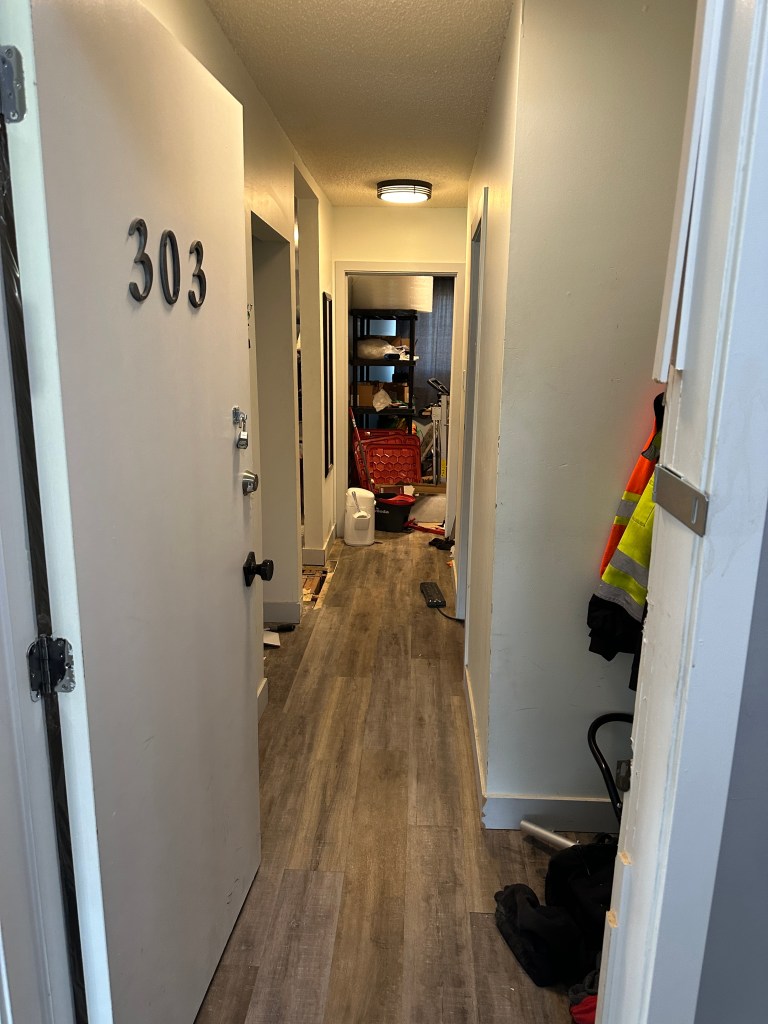
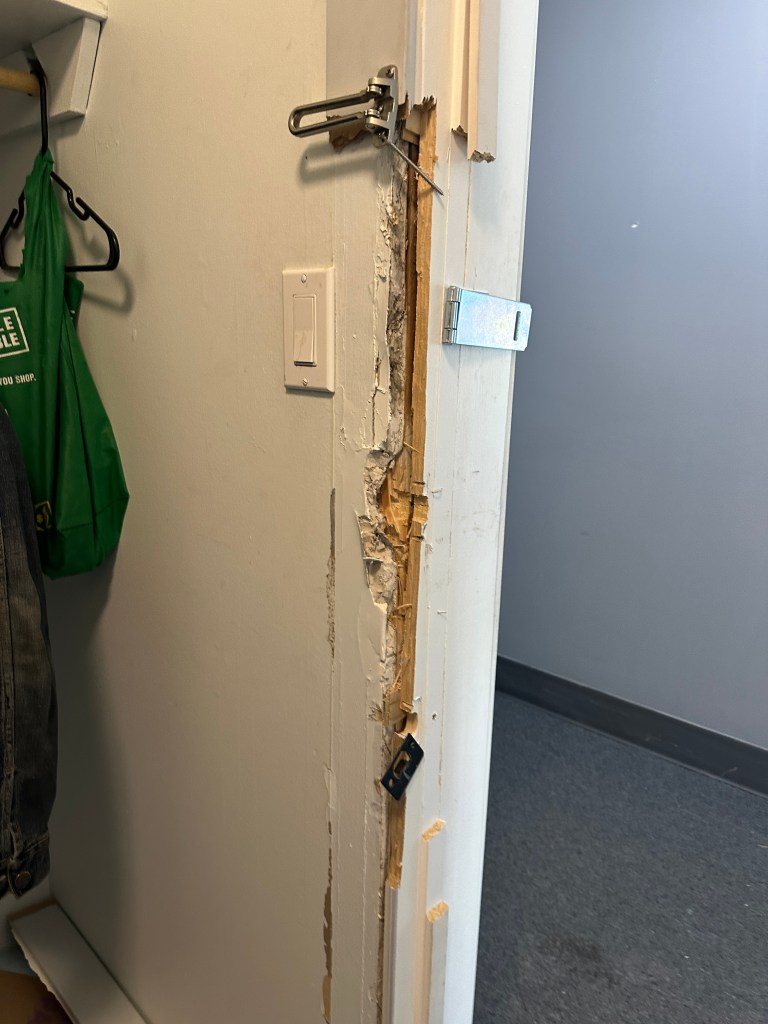
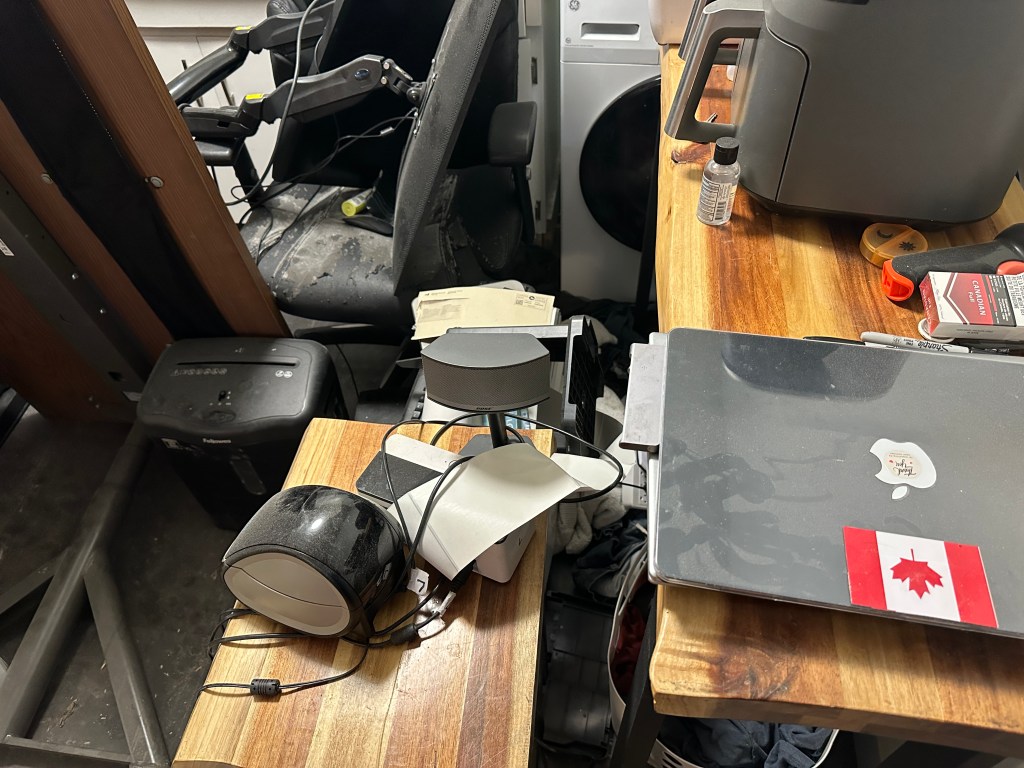
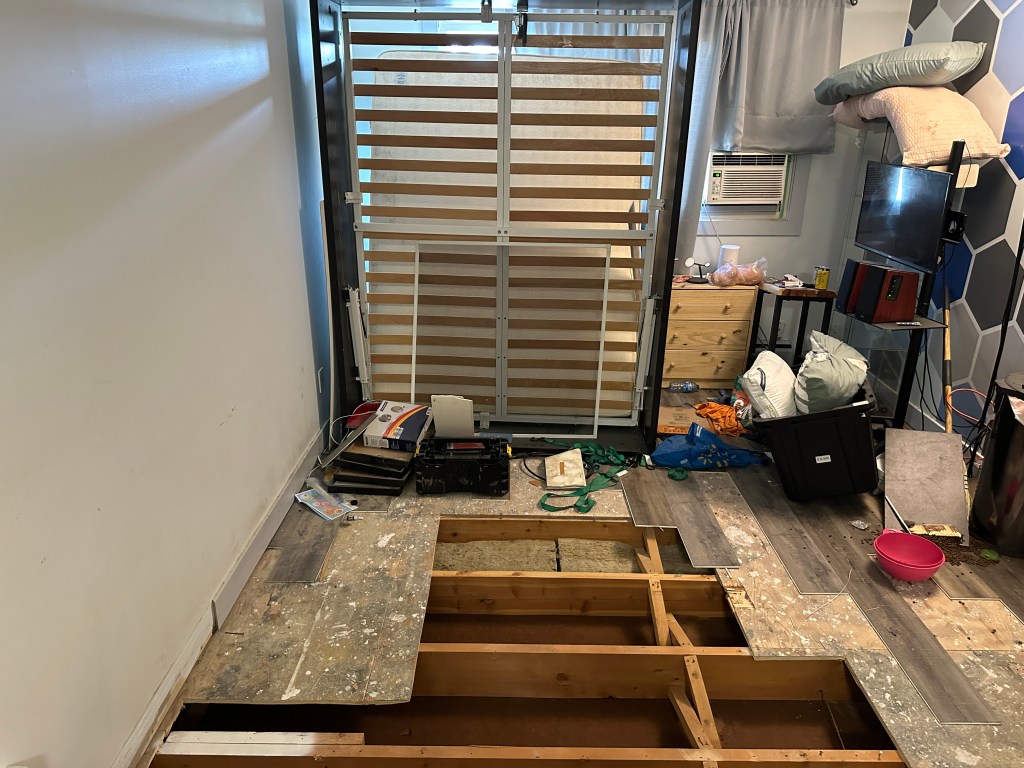
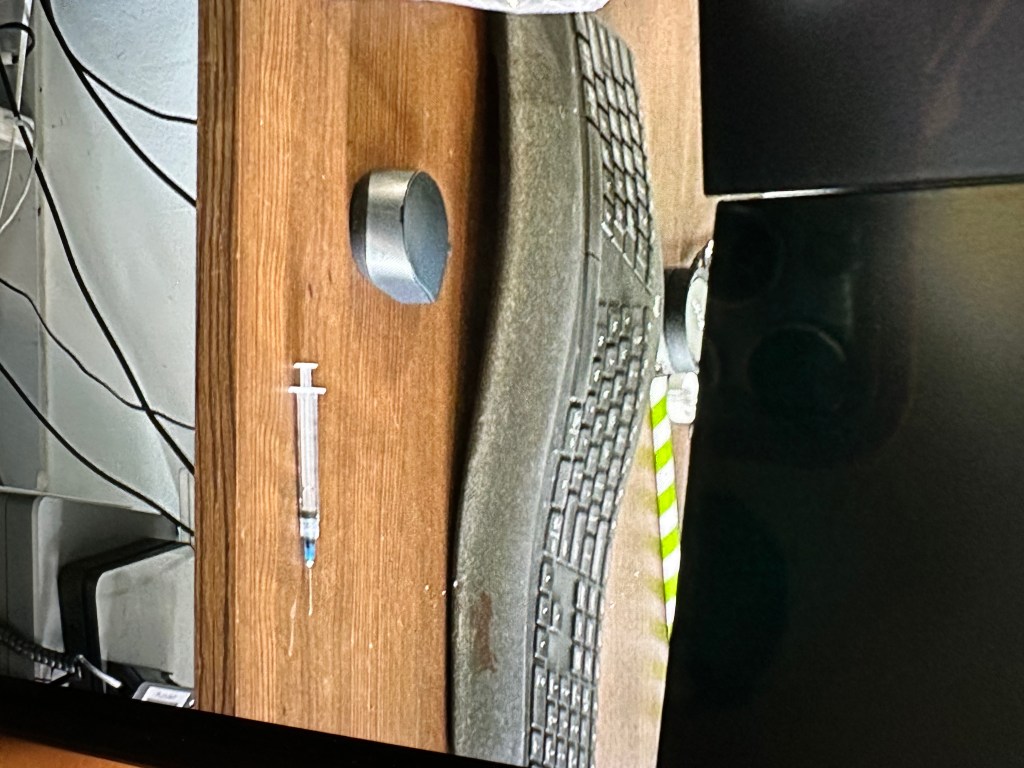
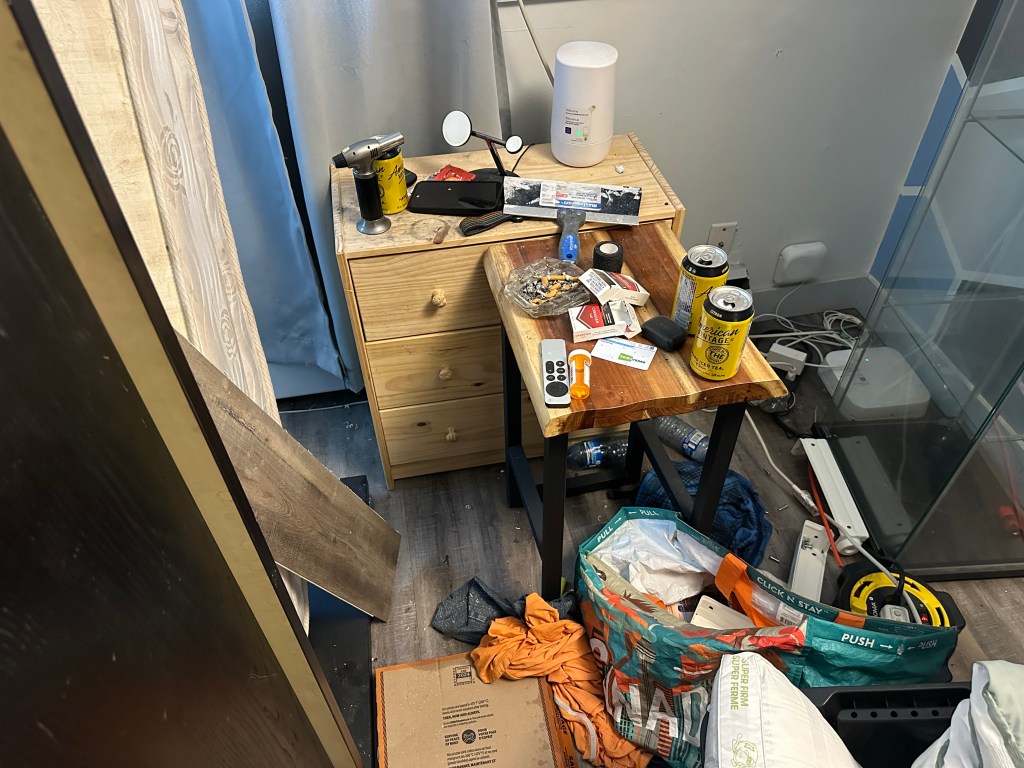
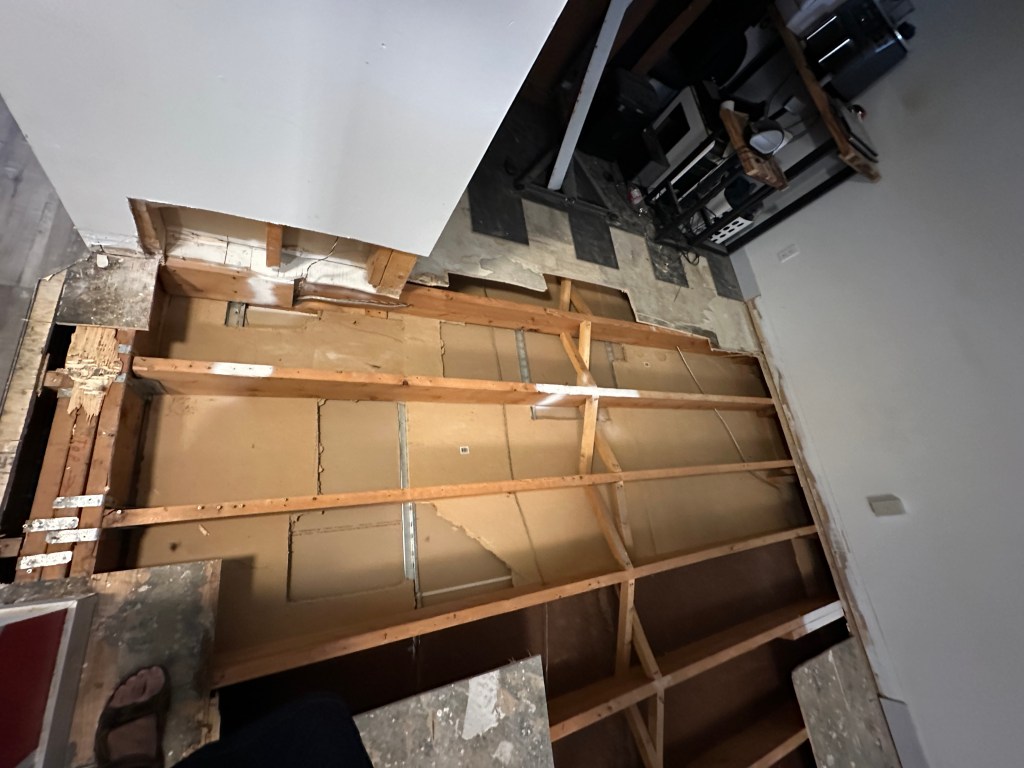
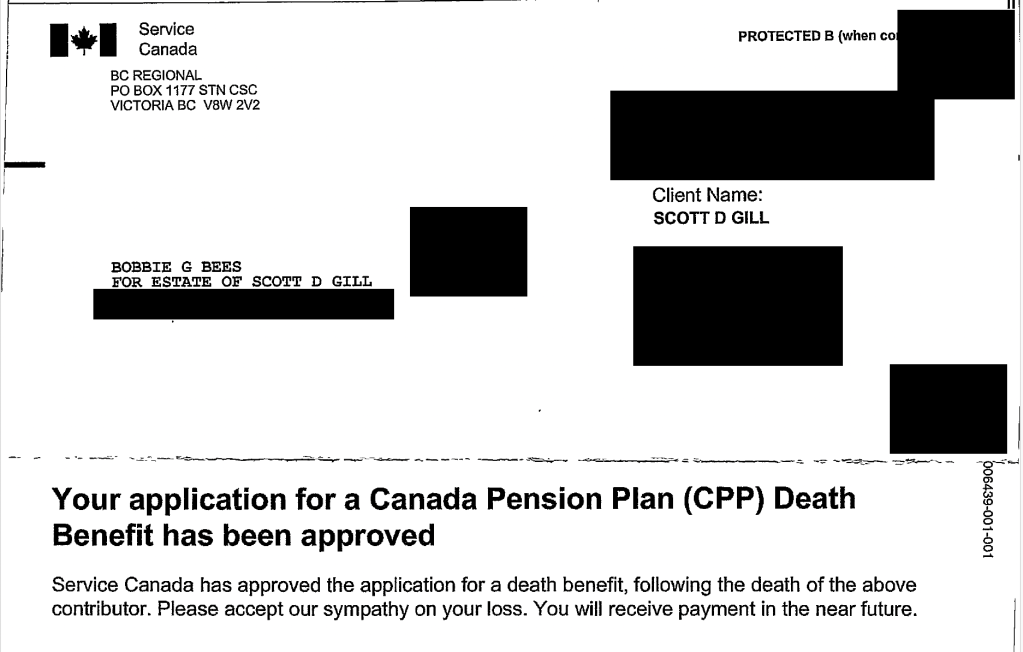
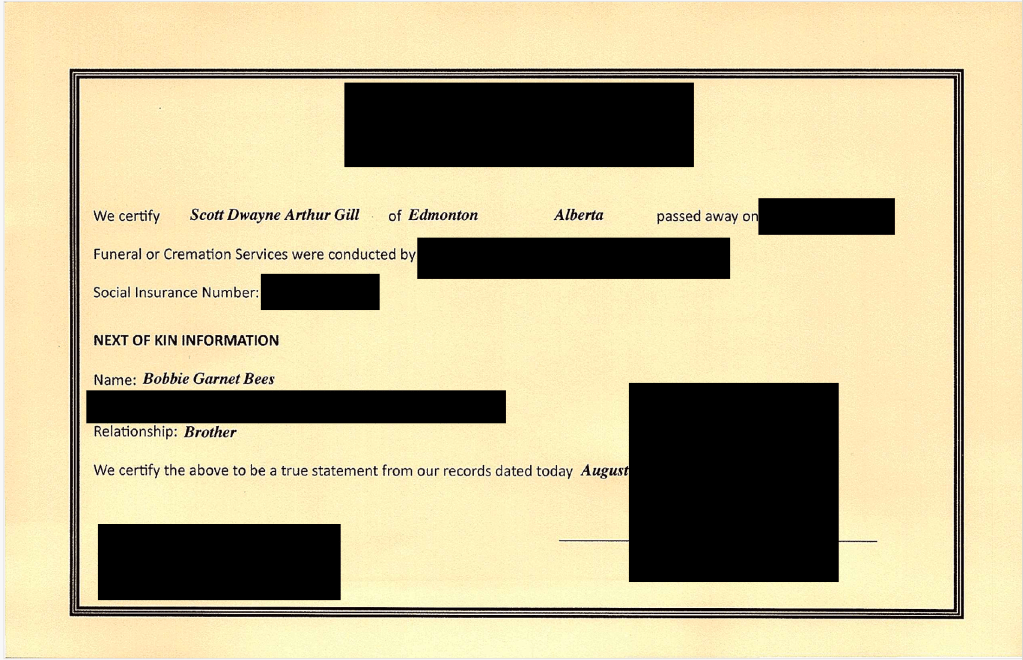
After Scott’s death, I attended his apartment in Edmonton. Couldn’t stay for long in the suite as the entire floor had been removed and the smell of death and rot was still very heavy in the apartment. But I did manage to snag his passport before leaving. Around 2019 he had been denied entry into the States. He apparently made it to Mexico for gastric bypass surgery.
I can’t explain the difference between Scott and I. We were like night and day. Same household, same neglect, same mental, physical, and sexual abuse. Same alcoholic grandmother and same alcoholic father. Same rage fulled grandmother and same rage fulled father.
The one thing that I think may have possibly contributed to the difference is that Richard had dumped any responsibility for raising Scott on to me. I was responsible for my actions, and I would receive punishment if my actions were deemed inappropriate. I was also responsible for raising Scott as if he was my son, and if Scott got into trouble. Richard liked it this way. If I fucked up, it was my fault. If Scott fucked up, it was my fault. This way Richard could keep his hands clean. Wasn’t his fault that his kids were fucked up, it was always somebody else’s fault.
I guess the difference between Scott and myself would be best summed up by the fact that when I moved with Richard and Sue back to Edmonton in July of 1990, Scott didn’t move with us. Scott was still completing his sentence at St. John’s Training School for Boys in Uxbridge, Ontario.
Scott had detected early on that Richard would unleash on me for anything that Scott had done as I wasn’t “raising my brother right”. Scott had even delighted in telling one of his friends that if he wanted to get Richard to beat me up that all he’d have to do is take one of Richard’s screw drivers out of his toolbox, and just remove a screw from one of Richard’s computers or whatnot and that Richard would explode. It was a great source of pride for him.
Scott wasn’t too bad until we moved to Canadian Forces Base Downsview in North York, Ontario. That’s when things went off a cliff.
The first time that I knew Scott was getting in to trouble was when we went to Edmonton for the summer of 1985 to stay with our grandmother. Scott got picked up by the Edmonton Police Service for breaking into lockers in the men’s change room at the Kinsmen Sports Centre and stealing cash and credit cards.
When we got back to Toronto after the summer that’s when Scott and his friend Greg started getting into all sort of legal trouble. Greg was some civy kid that lived in the local neighbourhood.
Stealing cars, breaking into houses, breaking into semi trailers, breaking into warehouses. You name it Scott and his buddies were doing it. Scott tried stealing Richard’s ’83 Mustang GT once but he couldn’t drive standard. But he did steal our stepmother’s Pontiac Chevette once. Scott’s theft of the Chevette was directly tied by Richard to me allowing the babysitter to have abused Scott from 1978 until 1980.
I had a weekend job working for a man named Bob Becker. Bob owned a company call Trans American Video Amusements. He was a video game operator. He had a workshop up on Keele St. and Steele Ave. I’d go up on weekends and work on video games, pinball machines, or jukeboxes. Perfect job for a loner geek like me. Gave me a place to be away from Richard. Anyway Scott shows up with his buddy Greg and some friends. Scott has told Greg that I agreed to fix Greg’s V-6 Nova. Problem was I said no such thing. Greg was the last person that I’d ever do anything for. Greg and Scott made a habit of stealing my belongings. And the other problem was somebody had pulled all of the electrics out of the engine compartment and made a mess of it.
Even though I didn’t have a driver’s licence at the time I backed Bob’s truck out of the shop so Scott and Greg could push Greg’s car in. Once in Greg and Scott started looking for anything of value that they could pocket. Scott and Greg disappeared for a short bit but they came back around an hour later. After having no lock with the car I pushed it back outside and got the keys for Bob’s truck and drove it back in. Once back in that’s when I realized that Bob’s truck mounted mobile phone was missing and one of the side cutters from the shop were sitting on the floor by the remnant of the phone’s wiring harness.
There was no doubt that Scott and Greg stole the mobile phone. Stealing the truck would have been too obvious. And besides it was a late ’70s Chevy Karyvan with a large cube box and a lift gate on the rear. Definitely not the most indiscrete vehicle to steal.
When I worked for another small video game operator I would often do service calls for that company. That meant that I had to carry the master keys for the machines. I used to carry a pager. Vince or Ravi would message me if there were service calls for me to look at after school. Well, I checked the pager after school and it was a whole bunch of messages from Ravi and Vince. Both wanted to know how my some kid named Craig got hold of my keys. Turns out that Scott had taken my keys out of my bedroom and sold them to one of his friends for about $50.00 and then told this kid the addresses for a lot of the locations that Vince and Ravi had games at. This kid Craig got caught opening up machines and taking quarters out of the coin boxes.
In the years after Scott had been diagnosed with Grand Mal Epilepsy he developed this state where he would be asleep but if awoken he would be in an uncontrollable rage until he gained control. As he wasn’t allowed to smoke in his bedroom he’d often come downstairs and pass out on the couch in the “TV” room, or he’d pass out on my bed. After the first time or two of waking Scott up to get him to go upstairs and go to bed and being on the receiving end of his rages I decided that I would just go upstairs and sleep in the living room. Even Richard would no longer try to disturb Scott. In a way it was fun watching the once mighty Richard cower in front of Scott, but it was short lived joy as I would often be subject to the same rage.
How much trouble did Scott get into after I moved out for the first time in 1987, and then for good in September of 1990? I don’t know. I know that by his own admission he did some jail time.
When Scott finished his sentence at St. John’s he was sent out to Alberta. He moved in with Richard and Sue in their new house in Morinville, but his stay was even less than my three weeks in Sue’s house. Richard called me up one day at work and said that he wanted to stop by my place for a visit. Scott was in Richard’s car. Richard told Scott to get out of the car and that he was now my problem to look after, that Richard was washing his hands of us and that it was time our mother started looking after us. It took Scott less than three days to eat up all of my food and to get me some eviction warnings from Creepy Walter, the landlord. The warnings were due playing my music too loud. Wasn’t me playing the music, it was Scott. But same thing. I called Richard for help with the groceries. Fuck no, he had paid enough all of these years to raise us, I could fuck off if I thought I was getting another fucking penny out of him. He suggested that I hit up that bitch mother of mine and get her to foot some of the bill as he was sick and tired of not being able to enjoy his paycheque.
I made contact with Marie and she agreed to take Scott out to her acreage by Wabamum Beach.
After I left Edmonton in ’92 I never saw Scott again until 1996 when Scott showed up in Vancouver to go to “Columbia Academy for the Performing Arts ” on West Broadway. Richard called me up and told me that Scott was having car troubles and that I owed it to Richard to help Scott. So I did. Then Scott went away. He came back around 2000. He only stayed out here a short while, then he was gone again. Saw him once in 2003 when I drove to Edmonton over the summer. After that I never saw him again until 2013.
I would find out that after I left in ’92 he has stolen a truck from a car dealership in Canmore, AB and drove it all the way out to Ontario where the OPP caught him just outside of Kenora, Ontario. No doubt he was heading back to Toronto.
Scott was shipped back to Alberta to stand trial and he got sentenced to more time in juvie. Apparently Richard refused to have anything to do with Scott. And when Scott tried to get our mother Marie to pick him up Marie was hesitant as Scott had become extremely belligerent to her before he stole the van.
On the morning of January 1st, 2000 Scott gave a pair of Skytrain attendants my name, my social insurance number, and a fictitious address that had the proper postal code had that address actually existed. Scott worked for a company in the geographical area serve by this postal code and he knew fictitious addresses that would look as if they were plausible.
I didn’t discover the impersonation until 2006 when ICBC sent a collections agent after me. I knew the ticket wasn’t mine as I’ve never had a fare evasion ticket anywhere, AND more importantly I was at work on standby for the chaos that was supposed to break out due to the Y2K bug.
And I had been told by John Potter at my Sea Cadet corp in February of 1987 that Scott had used my name and SIN when he had been arrested for stealing yet another car. So Scott giving my name for a fare evasion ticket was par for the course.
In 2013 I had to track Scott down due to the statement that Richard had given to the CFNIS in 2011 and I also needed to serve Scott with a written examination for Federal Court for my judicial review to ask him some question “on the record” to be admitted to Federal Court as evidence.
Scott said that after having not spoken to them since 2008, Richard and Sue were in a panic to find Scott as Richard and Sue wanted to know what the fuck was going on and why I was giving Richard a subpoena for Federal Court.
I asked Scott what he meant that he hadn’t spoken to Richard and Sue since 2008. He asked me if I remembered Erik from the first time we lived on Greisbach in the ’80s.
Kinda, I replied.
Well, the pussy committed suicide back in 2008 and Richard and Sue wanted me to go to the funeral, but there was no way that I was going to go, not for him.
Why? What happened?
Well, I came across some credit cards. Okay, I stole some credit cards from the gas station I was working at. I gave Erik some of the cards and then we went over to West Edmonton Mall on a shopping spree. The thing is we got caught.
Scott then went on to explain that he used his previous experience in the criminal justice system to keep his mouth shut. “If the police have enough evidence to charge, they’ll charge. They don’t need to talk to you. If they’re talking to you they’re trying to get you to give them the evidence to charge you”. He said that Erik was so scared that he was trying to explain his way out of being charged, but that Scott just kept his mouth shut. In the end Erik took the fall for the entire affair and Scott walked away hands clean.
Of course, being charged with credit card fraud and receiving a jail sentence will pretty well prevent you from going places both travel wise and employment wise.
According to newspaper articles I’ve found, Erik went off the rails, started drinking, got into an incident at a bar, and then committed suicide a short time later.
I don’t really know how solid the relationship was between Scott and Erik was prior to the credit card matter. I know that when we lived on CFB Griesbach, Sue would often go hangout with her friend Darlene. If I remember right, Darlene and Sue knew each other from their time at AGT. Sue and I didn’t spend much time together, and she rarely took me on car rides, especially not on shopping trips, and especially not over to Darlene’s place. Scott was Sue’s constant companion. So much so that Sue took Scott for ice cream once at the DQ on Castle Downs road, as she was getting in the car with Scott, I asked her if I could come. Nope. Retards don’t get ice cream. She called me retard frequently after I was admitted into the Westfield program for emotionally disturbed children.
There was one time that I went to Darlene’s place that will forever stand out in my mind. Darlene and Sue had gone off to Londonderry Mall to do some shopping. Darlene provided her kids with just about everything they wanted. They had some video tapes with kids on them signing popular hits from the radio. This was definitely not something that Richard would have tolerated in his house. I’m signing along with the videos and having a good time. But then I realize that Scott, Erik, and Erik’s younger sister are nowhere to be found. After checking around outside I made my way upstairs and discovered Scott, Erik, and Erik’s younger sister naked as jaybirds playing doctor.
As the events of CFB Namao were still fresh in my head, and as I was still receiving “therapy” from Captain Terry Totzke, I knew that this wasn’t going to be good. So I fucking hightailed it back to the base. That was about a 1 hour walk, but I did an awful lot of walking as a kid anyways. I could walk from CFB Griesbach to grandma’s apartment on 107th and 111st whenever Richard had blown his fuse. I could walk to my job at Pizza Plus in Kingsway Garden Mall. Booking it back from Darlene’s place to the base wasn’t a problem, and was far preferable to getting caught in the same house as those three.
How close was the relationship between Scott and Erik? Don’t know. But they did see each other far more frequently than I ever did. And the fact that Scott thought that Erik was worthy enough of being Scott’s partner in crime means that they must have had more than just a casual relationship. But no matter how strong that relationship was, it wasn’t strong enough for Scott to not turn his back on his friend.
There were times after the 2011 CFNIS investigation where it became very clear that Richard was still very capable of playing head games with Scott. For instance, the morning of my Federal Court hearing Scott gets into my Facebook and Twitter feed with all sort of accusations that I had allowed and encouraged the babysitter to abuse us. A quick check of Scott’s facebook feed showed that Richard had shown up at Scott’s place the evening before and had given Scott all sorts of computers and computer equipment. No doubt Richard also took the opportunity to “set things straight” which explained Scotts weird tirade.
Scott kept up these accusation right up until 2020 the Military Police Complaints Commission released their report on the 2015 to 2018 CFNIS investigation in which they said that it was very clearly obvious that Captain McRae was a pedophile and that the military police and the CFSIU in 1980 were very much aware of the babysitter’s actions, that the babysitter was known to have molested numerous children on base and that the babysitter was actually receiving psychiatric care at the time for his sexual attraction to children.
Scott’s attitude further changed once my class action was filed and became public knowledge.
Was Scott evil?
No.
Scott came from the same fucked up and dysfunctional house as I did.
The difference between Scott and I probably comes down to the fact that I tried to desperately get out of the house whenever I could. I always had jobs at pet shops, or pizza shops, or working on electronics, etc.
Scott on the other hand was under the direct influence of Richard.
Richard was probably the single most toxic person that I ever knew.






























 Beeshive