How misused language in modern reporting erases the reality of Canada’s pre-1985 sexual offence laws — and who they failed.
One of the most dangerous habits in modern crime reporting is the casual misuse of legal terms—followed by a refusal to correct them when challenged.
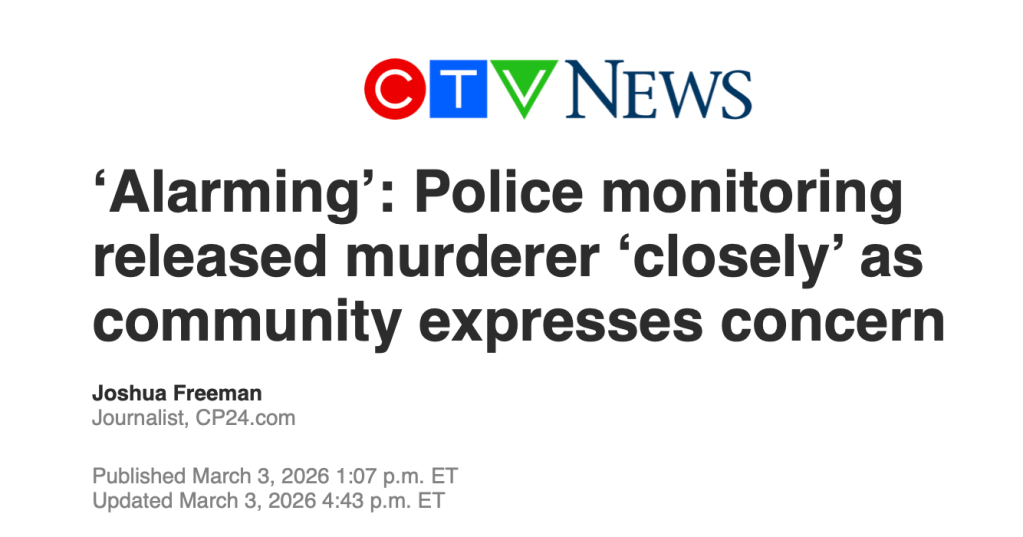
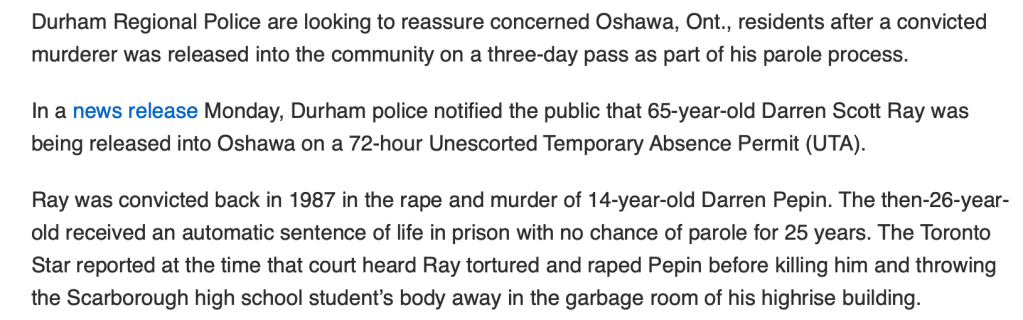
Recently, CTV news ran a story about the release of Darren Scott Ray from prison on a three-day pass.
The story mentions how Darren was convicted of “raping” Darren Pepin.
Sexual assault, especially sexual assault that results in murder, is horrific, but attaching the wrong labels can actually do more harm than good.
Rape only existed as a Criminal Code offence up to 1984. Rape was a very specific offence that primarily applied to intercourse with females where lack of consent had to be proven.
Also, you’ll note that a male could only be charged with rape so long as the victim wasn’t his wife.
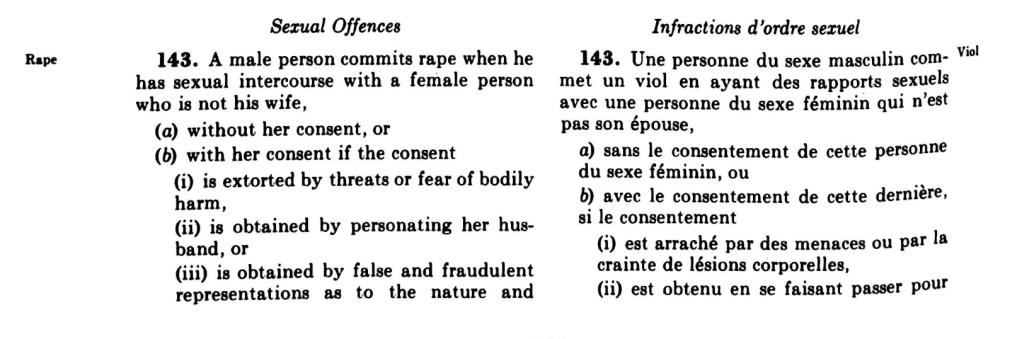
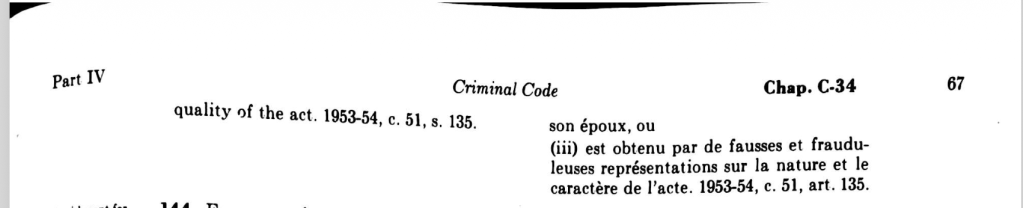
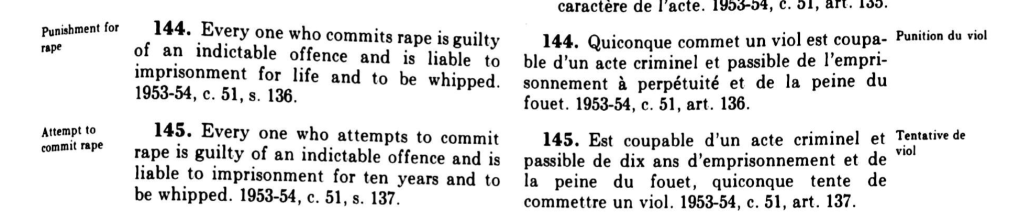
Section 143 only dealt with females and it only dealt with consent. Rape was the preferred charge in instances where force, threats, or deception were used to obtain sexual intercourse with a female who was not the suspect’s wife. Under the old law it was assumed that when a wife made her wedding vows, she was giving permanent consent to sexual intercourse whenever her husband desired it.
Prior to 2008, the age of consent was 14. And under the pre-1985 criminal code rape wasn’t the only charge that could be applied.
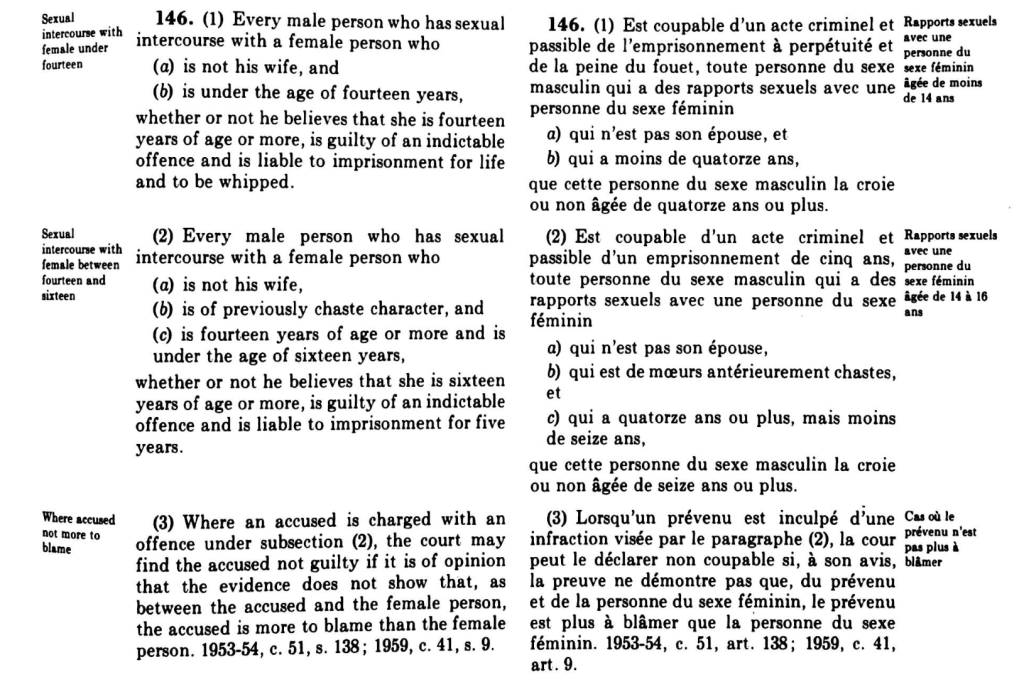
Section 146 (1) and Section 146 (2) define sexual intercourse of any type with a female under the age of 16 as being a criminal code offence, unless the girl was the man’s wife.
Section 146(2) introduced the concept of ‘previously chaste character,’ meaning prosecution depended on whether the complainant was considered ‘chaste’—a deeply problematic and now-discredited legal standard, and Section 142 (3) provided evidentiary avenues that allowed the defence to shift blame onto the complainant.
Charges under Sections 143, 144, 145 and 146 could be brought against an accused with section 146 serving as a sort of backup catch-all should the Crown fail to prove offences under sections 143, 144, and 145.
The maximum sentence for “Rape” was life imprisonment and a whipping.
The maximum sentence for “Sexual intercourse with female under 14” was life imprisonment and a whipping.
The maximum sentence for “Sexual intercourse with a ‘chaste’ female between the ages of 14 and 16” was 5 years in prison with no provision for whipping.
In 1983–1984, the offence of ‘rape’ was removed from the Criminal Code and replaced with a gender-neutral framework of sexual assault offences—marking a fundamental shift in how the law recognized victims.
Rape was replaced by the offence of ‘sexual assault’. However, there remained other offences that were not classified as ‘sexual assault’, and these offences not only applied specifically to children, but also sidestepped the inability of the Canadian Armed Forces to hold a service tribunal for Murder, Manslaughter, and Sexual Assault.
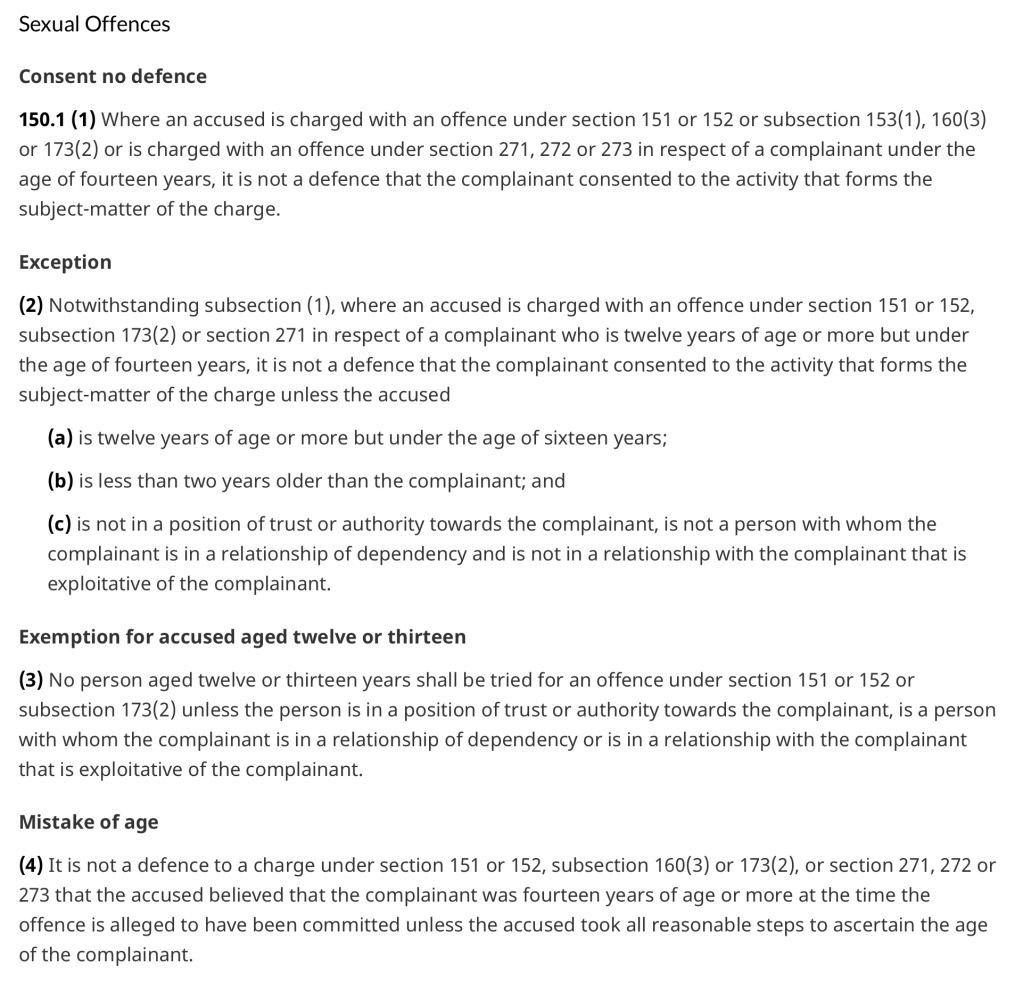
Section 151 is sexual interference and applies specifically to victims under the age of 14 -no specified gender for the victim.
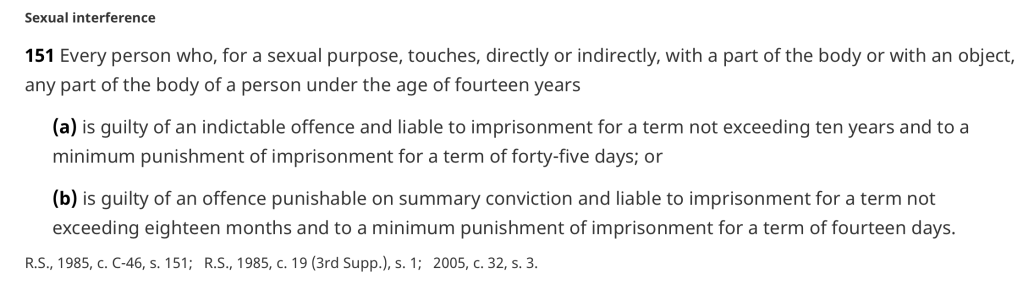
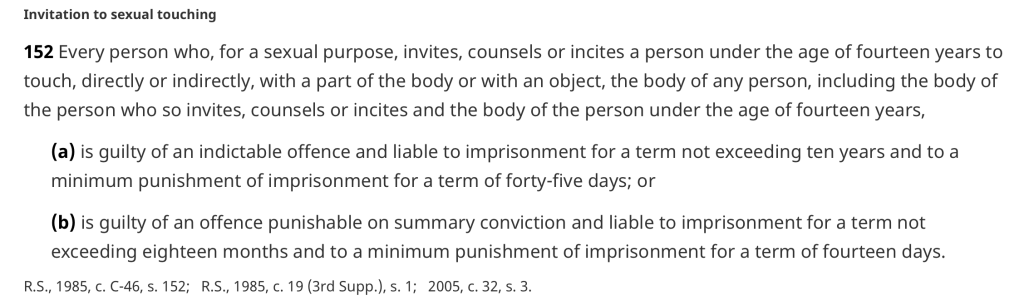
Section 152 is invitation to sexual touching and applies to crimes committed against victims under the age of 14 – no specified gender for the victim.
Section 153(1) is sexual exploitation and applies to crimes committed against “young victims” by a person in a position of trust or authority.
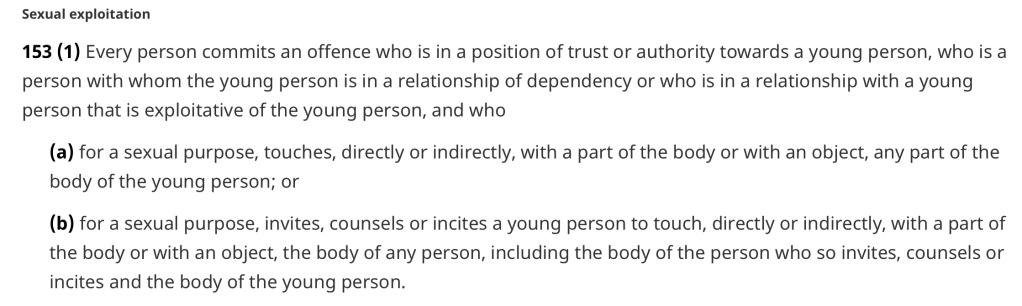
Section 153(2) defines a “young person” as any person fourteen years of age or more but under the age of eighteen years, gender not specified.

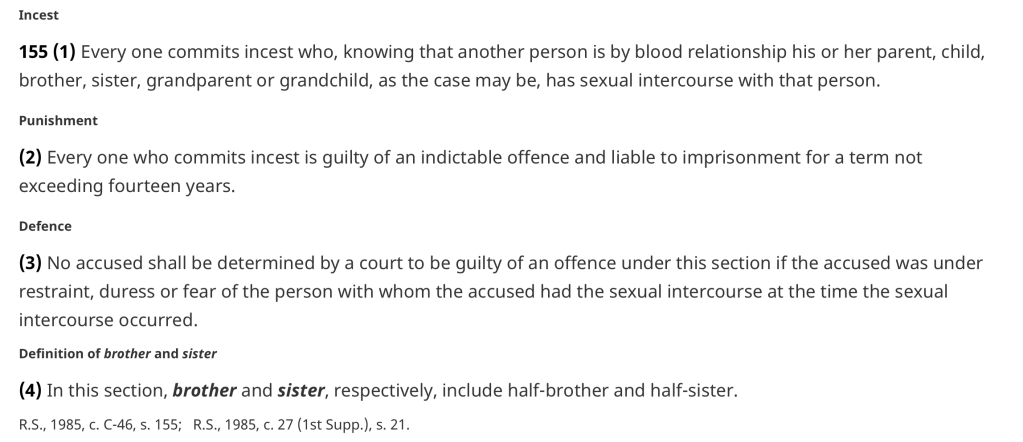
Section 155(1) is Incest.
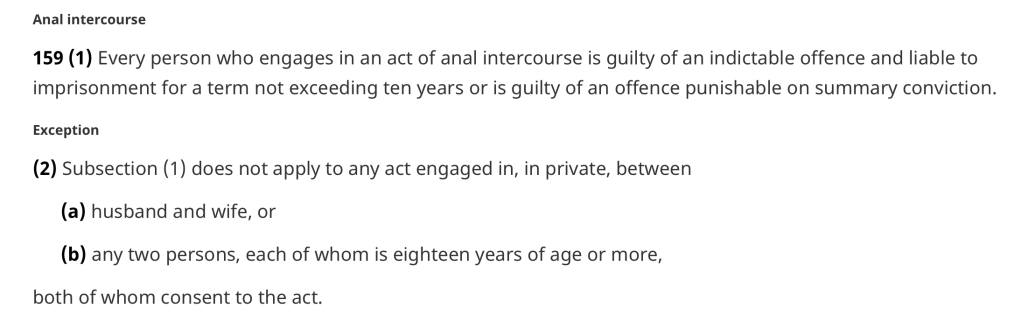
Section 159(1) deals with Anal Intercourse.
Section 160(1) is committing the act of bestiality in the presence of a person under the age of fourteen, or incites a person under the age of fourteen to commit bestiality – no specified gender for the victim
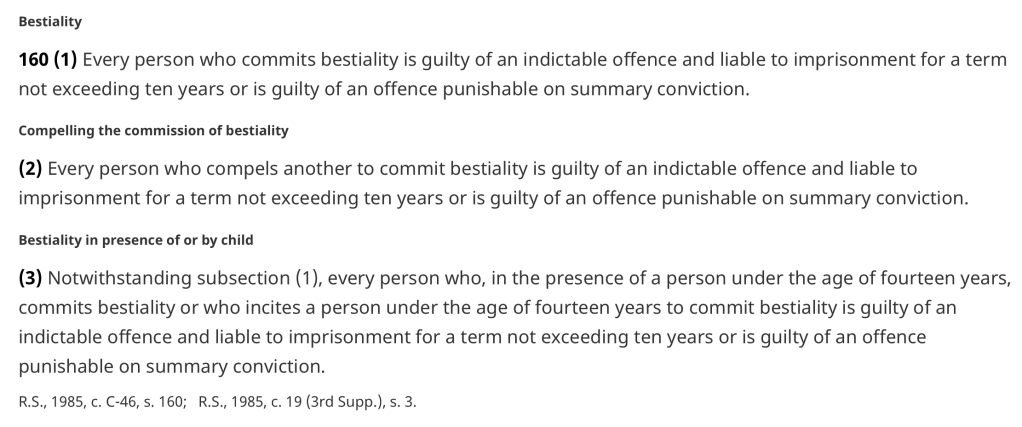
The following sections are those classified as ‘sexual assault’ and from 1985 until 1998 the Canadian Armed Forces could not hold a service tribunal for these offences.
Section 271 is sexual assault – no specified gender for the victim
Section 272 is sexual assault with a weapon, threatens a third party, or causes bodily harm, again no specified gender for the victim
Section 273 is aggravated sexual assault. And again, gender is not specified.
Why does this matter? Because words have real-world implications.
When the wrong legal label is applied, it doesn’t just distort history—it obscures how the law actually operated.

I have had to deal with people who were utterly convinced that the Canadian Armed Forces could not have subjected Captain McRae to a court martial for sexual offences involving children as the Canadian Armed Forces were prohibited from holding a service tribunal (summary trial or court martial proceeding) for the criminal code offence of “rape”.
Under the pre-1985 Criminal Code:
Boys could not be raped.
Rape was defined as a crime against females.
That was the law.
And what charges was the military precluded from conducting a service tribunal for?

But there were alternative routes for prosecution involving females under the age of 16.
All the commanding officer of the accused had to do during the prescribed summary investigation was to dismiss the rape charge(s) that had been brought against their subordinate while allowing charges under sections 146(1), 146(2), 150(1), and 153(1) to proceed to court martial proceedings.
- s.146(1) Sexual Intercourse with Female under 14
- s.146(2) Sexual Intercourse with Female 14 to 16
- s.150(1) Incest
- s.153(1) Sexual Intercourse with Step-Daughter or Foster Daughter
- s.155. Buggery
- s.156 Indecent Assault of Male
- s.157 Gross Indecency
Sections 155, 156, and 157 always applied to sexual crimes involving male children. This meant that the Canadian Armed Forces could keep these in house and try them through the military justice system. There was almost no opportunity for sexually abused male children to have their matters heard in civilian courts.
One of the most troubling aspects of the pre-1998 National Defence Act was that prosecutorial functions within the military justice system were exercised by officers within the chain of command, rather than independent civilian Crown prosecutors, raising serious concerns about legal expertise and independence.
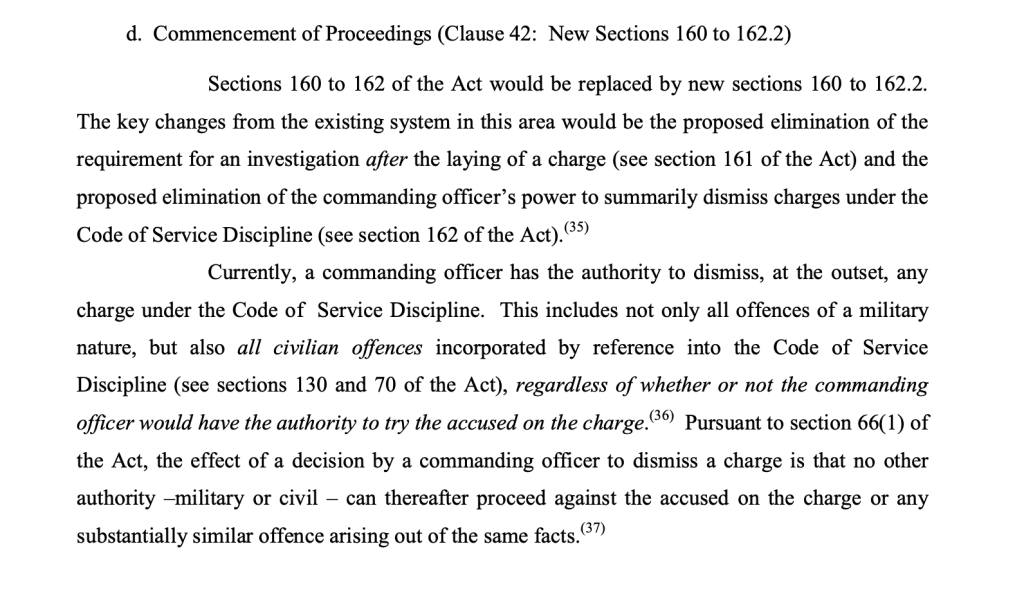
Now I have a much better understanding as to why the DOJ, the DND, and the CAF are fighting against the sexually abused victims of one of their officers.
This is not about a single case. It raises a far more uncomfortable question: how often did commanding officers quietly redirect or narrow charges in ways that limited accountability?
And once you understand how the law actually worked, the question is no longer whether this could happen—but how often it did.
Because if that happened more than once, the issue isn’t individual failure—it’s systemic design.
 Beeshive