The honest answer is that depression is not dramatic. It does not always look like visible despair or constant sadness. Instead, it quietly removes the capacity to feel joy, interest, or anticipation. Things that should matter stop holding meaning. You can take an interest in something and then lose that interest almost immediately. You expect negative outcomes as a default setting. Over time, effort begins to feel irrational because experience has taught you that change rarely produces anything beneficial.
Fatigue is part of it, but not in the way people assume. I can sleep for long periods and still feel no sense of restoration. Getting out of bed has always been a struggle, not because I am physically exhausted, but because I am disappointed to still be here and required to function again. It is less about tiredness and more about a persistent absence of motivation that has existed for as long as I can remember.
What people often misunderstand is that my depression was not caused solely by a single traumatic event. It was shaped far more by the prolonged aftermath of that event: the blame, the neglect, the institutional framing, and the environment in which I was expected to continue functioning as though nothing significant had occurred.
I once knew a man named Ray through a mutual acquaintance. We were not particularly close, but we did cross paths occasionally. Around 2004, Ray and I stopped to get something to eat. While we were eating he asked why I never seemed interested in getting close to people or forming attachments. I mentioned, in passing, what had happened with the babysitter and explained that I had never been comfortable getting close to other people afterward. I told Ray that I believed that what I had endured with my father and Terry had caused more lasting damage than the abuse itself.
Ray reacted with anger. In his view, I was supposed to be furious with the babysitter. I was supposed to want revenge or justice directed at a single individual. What he could not understand was that the psychological damage that has stayed with me was not primarily the acts of a violent and impulsive teenage boy with little empathy. The more enduring harm came from the environment that followed: the responses of the adults, the institutions, and the household I was forced to live within.
Being told that I was a willing participant in my own abuse did not help.
Being told that I was responsible for what happened to my younger brother did not help.
Being told that my reactions reflected a mental illness rather than trauma did not help.
Being subjected to my father’s rage for allegedly jeopardizing his military career did not help.
These were not isolated incidents. They formed a consistent pattern of blame and emotional invalidation.
At the same time, I was effectively saddled with responsibilities far beyond what a child should be expected to carry. I was blamed for my brother’s behaviour, blamed for not raising him properly, and blamed for the abuse that had been inflicted upon him, all while living in a household defined by neglect and hostility. Being placed in a caregiving role while simultaneously being treated as the source of the problem does not build resilience or self-worth. It reinforces chronic guilt, self-doubt, and emotional withdrawal.
Over time, repeated messages shape internal beliefs. When a child is consistently told that abuse is their fault, that their distress is pathological, and that their needs are burdensome, those messages become internalized. Boundaries erode. Compliance becomes a survival strategy. Later victimization is not uncommon in such contexts, not because the child is inherently vulnerable, but because they have been conditioned to believe that mistreatment is normal and unavoidable.
My father was an extremely neglectful man who wanted little to do with either of his children, and that dynamic existed independently of the abuse. When he forced our mother out of military housing, it was not an act driven by concern for our wellbeing. It was a practical decision shaped by responsibility and obligation. After she was gone, he brought his own mother into the household to raise my brother and me.
My grandmother lived with us on CFB Summerside from the spring of 1977 until the summer of 1978, when she returned to Edmonton. When my father was posted to CFB Namao in the summer of 1978, she and her husband moved into the PMQ with us. This was the same grandmother who had survived the Indian Residential School system in Fort Chipewyan, Alberta, and who struggled psychological issues as well as severe alcoholism that she refused to acknowledge or treat.
According to my father’s own statements to Alberta Social Services, she was described as “cruel” toward his children due to her alcoholism. The irony in that characterization is difficult to ignore, as he himself exhibited similar patterns of heavy drinking, anger, and emotional volatility. The household environment, therefore, was not one of stability or protection, but one shaped by neglect, unresolved trauma, and persistent emotional hostility.
Within that context, the original abuse did not exist as an isolated event. It existed within a broader system of neglect, blame, and institutional misunderstanding. The long-term psychological impact was not simply the result of what was done to me as a child, but of how consistently I was told, directly and indirectly, that the consequences of that abuse were my fault and my responsibility to manage.
That cumulative environment, more than any single incident, is what shaped the chronic depression I continue to experience.
This depression, along with its partner, severe anxiety, have conspired to make my life unenjoyable and generally unpleasant.
And no, there isn’t a fix for this. Sure, I could learn how to internalize this. Or I could take therapy and learn how to mask it better and how to hide it. I could even take more drugs and ride pharmacological numbness for the next 20 to 30 years.
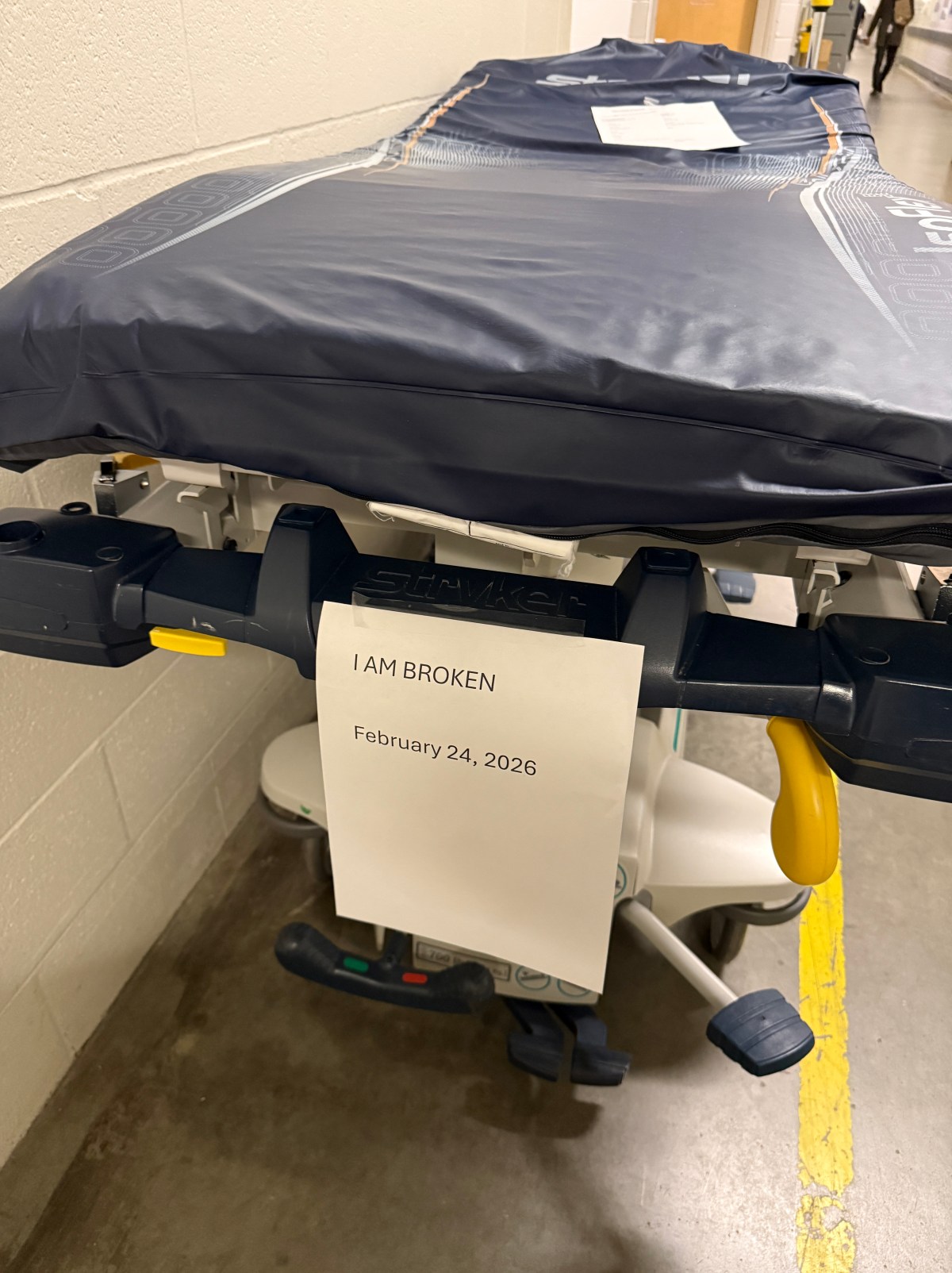
But, I’m honestly tired.
I don’t want to be here.

 Beeshive
thinking of Scott today on his birthday.
LikeLike